PTSD Management for Veterans: Support and Healing Paths

Living with PTSD is a journey marked by shadows and light. I know this because I have walked that path, and so have many who served alongside me. The memories, the sudden triggers, the restless nights - they are all part of a complex puzzle. But healing is possible. Support is available. And you are not alone.
PTSD Management for Veterans: Understanding the Terrain
Post-Traumatic Stress Disorder is not just a clinical term. It is a lived experience that can feel overwhelming. For veterans, PTSD often stems from the intense and sometimes harrowing experiences of military service. The mind and body remember what the heart tries to forget.
Managing PTSD means learning to navigate these memories and reactions. It means finding tools and support systems that help you regain control over your life. Here are some practical steps that have helped many veterans:
Seek professional help: Therapists trained in trauma and veteran care can guide you through evidence-based treatments like Cognitive Behavioral Therapy (CBT) or Eye Movement Desensitization and Reprocessing (EMDR).
Build a support network: Connect with fellow veterans, family, and friends who understand your journey. Shared experiences create bonds that heal.
Practice self-care: Regular exercise, mindfulness, and healthy sleep habits can reduce symptoms and improve mood.
Engage in purposeful activities: Volunteering, hobbies, or community events can restore a sense of meaning and belonging.
Remember, managing PTSD is not about erasing the past but learning to live fully despite it.

What are the 4 F's of PTSD?
Understanding the body's natural responses to trauma can empower you to manage PTSD more effectively. The "4 F's" describe common reactions:
Fight: The impulse to confront or resist a threat.
Flight: The urge to escape or avoid danger.
Freeze: Feeling stuck or unable to move in the face of trauma.
Fawn: Trying to please or appease to avoid conflict.
These responses are automatic survival mechanisms. Recognizing when you are experiencing one of the 4 F's can help you pause and choose a healthier response. For example, if you feel the urge to flee during a stressful moment, grounding techniques such as deep breathing or focusing on your surroundings can help bring you back to the present.
Veterans often experience these reactions intensely due to their training and experiences. Learning to identify and manage them is a crucial part of PTSD recovery.
The Power of Community and Connection
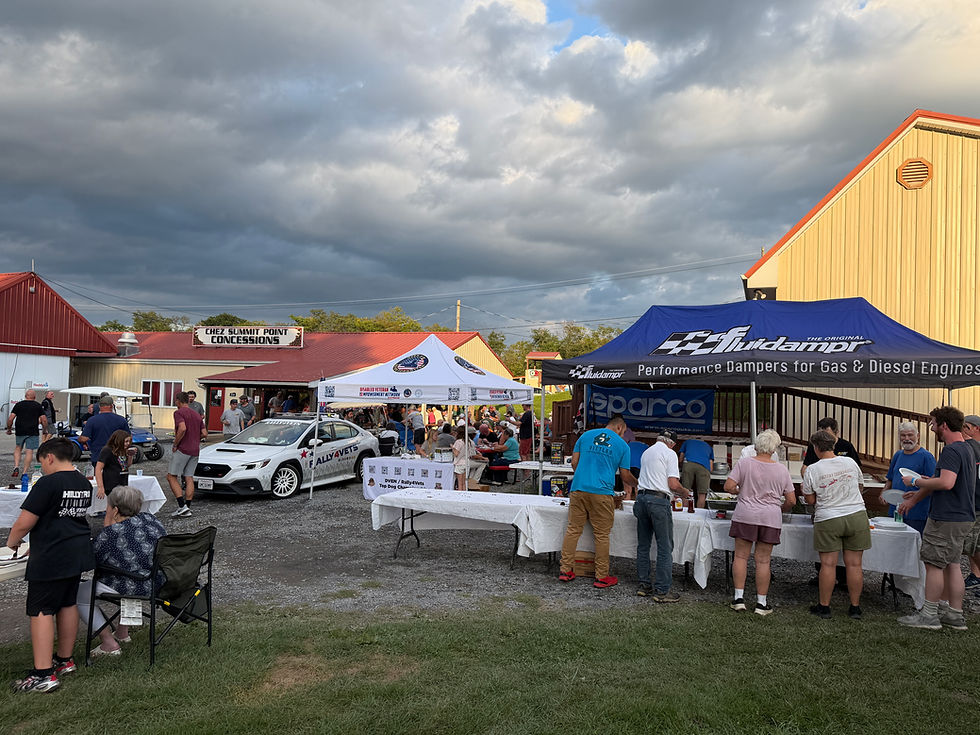
Isolation feeds PTSD. Connection starves it. I have found that the strongest medicine is often the presence of others who understand without judgment. Community events, support groups, and veteran organizations create spaces where you can share your story or simply be yourself.
Programs that foster camaraderie and shared purpose can transform lives. Whether it’s a weekly meet-up, a group hike, or a creative workshop, these moments build resilience. They remind you that you are part of something bigger.
If you are looking for resources, consider exploring veteran ptsd support networks that specialize in veteran care. These organizations offer tailored programs designed to meet the unique needs of those who have served.
Practical Tools for Daily PTSD Management
Living with PTSD means facing challenges every day. But small, consistent actions can make a big difference. Here are some tools that I have found invaluable:
Mindfulness and meditation: Even five minutes a day can reduce anxiety and improve focus.
Journaling: Writing down your thoughts and feelings helps process emotions and track progress.
Physical activity: Movement releases tension and boosts mood. Find what you enjoy - walking, yoga, or team sports.
Sleep hygiene: Create a calming bedtime routine. Avoid screens before sleep and keep a regular schedule.
Grounding techniques: Use your senses to anchor yourself in the present. For example, name five things you see, four you can touch, three you hear, two you smell, and one you taste.
These strategies are not quick fixes but building blocks. Over time, they strengthen your ability to cope and thrive.
Embracing Hope and Purpose
PTSD can feel like a heavy burden, but it does not define you. Your service, your sacrifices, and your resilience are part of a larger story. Healing is a process of reclaiming your narrative and finding new meaning.
Engaging in activities that inspire you - whether it’s mentoring younger veterans, volunteering, or pursuing a passion - can reignite your sense of purpose. Purpose fuels hope. Hope fuels healing.
If you ever feel overwhelmed, remember that reaching out is a sign of strength, not weakness. Support is waiting. You deserve it.
The journey through PTSD is deeply personal, but it is also shared. Together, with the right tools, community, and support, we can move from surviving to thriving. Your story matters. Your healing matters. And every step forward is a victory.