Comprehensive Veteran Programs Help: A Lifeline for Those Who Served

Every veteran carries a story - a tapestry woven with courage, sacrifice, and resilience. Yet, the transition from military to civilian life can be daunting. I have seen firsthand how the right support can transform this journey. Veteran programs help bridge the gap between service and civilian success, offering more than just assistance - they offer hope, community, and purpose.
The Heartbeat of Veteran Programs Help: What They Offer
Veteran programs help in countless ways, tailored to meet the unique needs of those who have served. These programs are not just about benefits; they are about rebuilding lives, restoring dignity, and rekindling dreams.
Healthcare Access: From physical rehabilitation to mental health counseling, veterans receive comprehensive medical care. This includes specialized treatment for service-related injuries and conditions like PTSD.
Education and Training: Programs like the GI Bill open doors to higher education and vocational training, empowering veterans to pursue new careers.
Housing Assistance: Affordable housing options and home loan guarantees help veterans secure stable living environments.
Employment Services: Job placement, resume workshops, and career counseling ease the transition into the workforce.
Financial Support: Disability compensation, pensions, and emergency financial aid provide a safety net during tough times.
Community and Social Support: Events, peer groups, and recreational activities foster camaraderie and mental well-being.
These offerings are not just checkboxes; they are lifelines. They say, "You are not alone. We see you. We stand with you."

Navigating the Maze: How to Access Veteran Programs Help
Finding the right program can feel overwhelming. But it doesn’t have to be. Here’s a straightforward path to get started:
Identify Your Needs: Are you seeking healthcare, education, housing, or employment? Clarify your priorities.
Visit Official Resources: The Department of Veterans Affairs (VA) website is a treasure trove of information. Local veteran service organizations can also guide you.
Apply for Benefits: Many programs require formal applications. Gather your service records and personal documents.
Connect with Support Networks: Peer groups and community organizations provide invaluable advice and encouragement.
Follow Up: Persistence pays. Keep track of your applications and appointments.
Remember, asking for help is a sign of strength, not weakness. The system is designed to serve you, but you must take the first step.
What Benefits Do Veterans Get in Arkansas?
Arkansas offers a robust suite of benefits tailored to its veterans. If you live here or have ties to the state, these programs can be a game-changer:
Property Tax Exemptions: Veterans with disabilities may qualify for property tax relief on their primary residence.
Educational Scholarships: The Arkansas Military Veterans’ Grant Program provides tuition assistance for eligible veterans attending state colleges.
Employment Preference: State government jobs often give hiring preference to veterans.
Veteran Homes: Arkansas operates several veterans’ homes offering long-term care and rehabilitation.
State Parks Access: Free or discounted admission to state parks encourages outdoor recreation and wellness.
Transportation Assistance: Some counties offer reduced fares or specialized transit services for veterans.
These benefits reflect Arkansas’s commitment to honoring those who served. They are practical, accessible, and designed to improve quality of life.

The Power of Community: Beyond Benefits
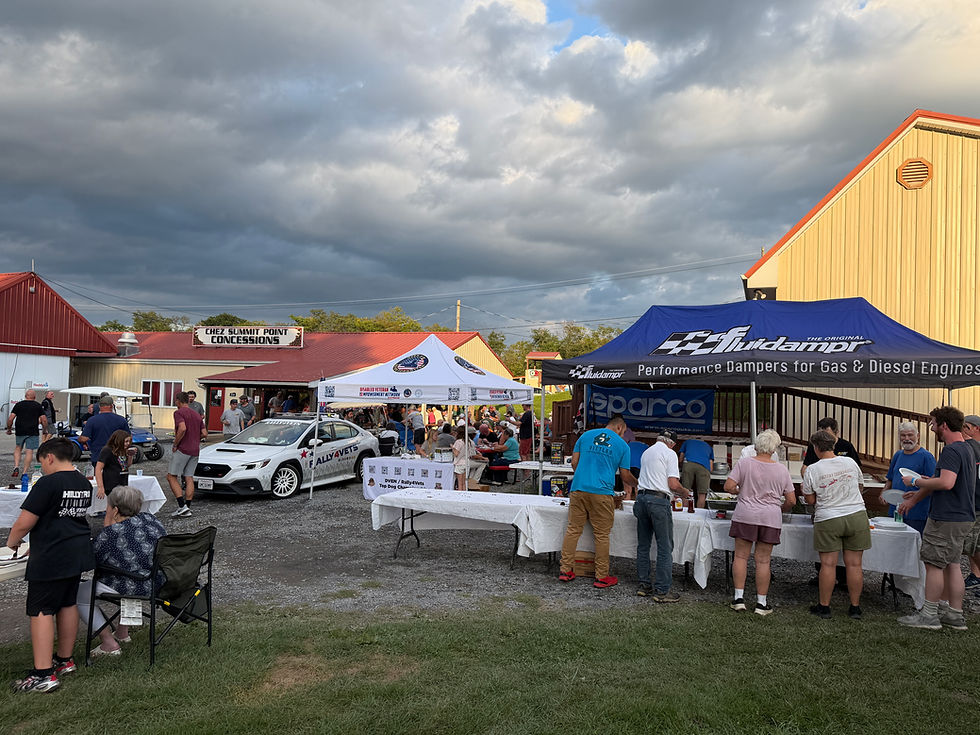
Benefits matter. But so does belonging. I have witnessed how community programs can heal invisible wounds and spark new beginnings. Organizations like Rally4Vets | DVEN are at the forefront of this movement.
Camaraderie Through Events: Social gatherings, sports leagues, and group outings create bonds that last a lifetime.
Mental Health Initiatives: Peer support groups and counseling reduce isolation and promote resilience.
Purpose-Driven Activities: Volunteering and mentorship programs give veterans a renewed sense of mission.
Family Support: Programs that include spouses and children strengthen the entire family unit.
These initiatives remind us that healing is holistic. It’s about mind, body, and spirit. It’s about finding joy and meaning after service.
Taking the Next Step: How You Can Engage
If you or someone you know is navigating this path, here are some actionable steps:
veteran assistance programs to understand eligibility and offerings.
Reach out to local veteran service officers who can provide personalized guidance.
Attend community events to connect with peers and support networks.
Advocate for veteran-friendly policies in your community.
Volunteer your time or resources to organizations dedicated to veteran well-being.
Every action counts. Every connection matters. Together, we can build a future where no veteran feels forgotten or unsupported.
The journey from service to civilian life is complex, but it is not one you must walk alone. Comprehensive veteran programs help illuminate the way, offering tools, support, and community. They honor the sacrifices made and nurture the potential ahead. Let us embrace these resources, share their promise, and stand united in gratitude and hope.