10 Essential Tips Every First-Time Racetrack Driver Should Know

Starting your journey on a racetrack can be thrilling and intimidating at the same time. The roar of engines, the smell of burning rubber, and the rush of speed create an atmosphere unlike any other. But before you take your first lap, there are important steps to ensure your experience is safe, enjoyable, and rewarding. Whether you are driving a sports car, a track-prepped vehicle, or a rental, these 10 essential tips will prepare you for your first time on the track.
Understand Track Rules and Regulations
Every racetrack has its own set of rules designed to keep drivers safe and maintain order during events. Before you arrive, study the track’s rulebook carefully. Common regulations include:
Speed limits in the pit lane
Flag signals and their meanings
Passing zones and etiquette
Required safety gear and vehicle inspections
Knowing these rules helps you avoid penalties and dangerous situations. For example, ignoring a yellow flag can lead to accidents or disqualification. Many tracks offer orientation sessions or briefings for newcomers—attend these to clarify any questions.
Choose the Right Vehicle and Safety Gear
Your choice of vehicle impacts your comfort and performance on the track. If you own a car, ensure it is mechanically sound and suitable for track driving. If renting, select a car that matches your skill level.
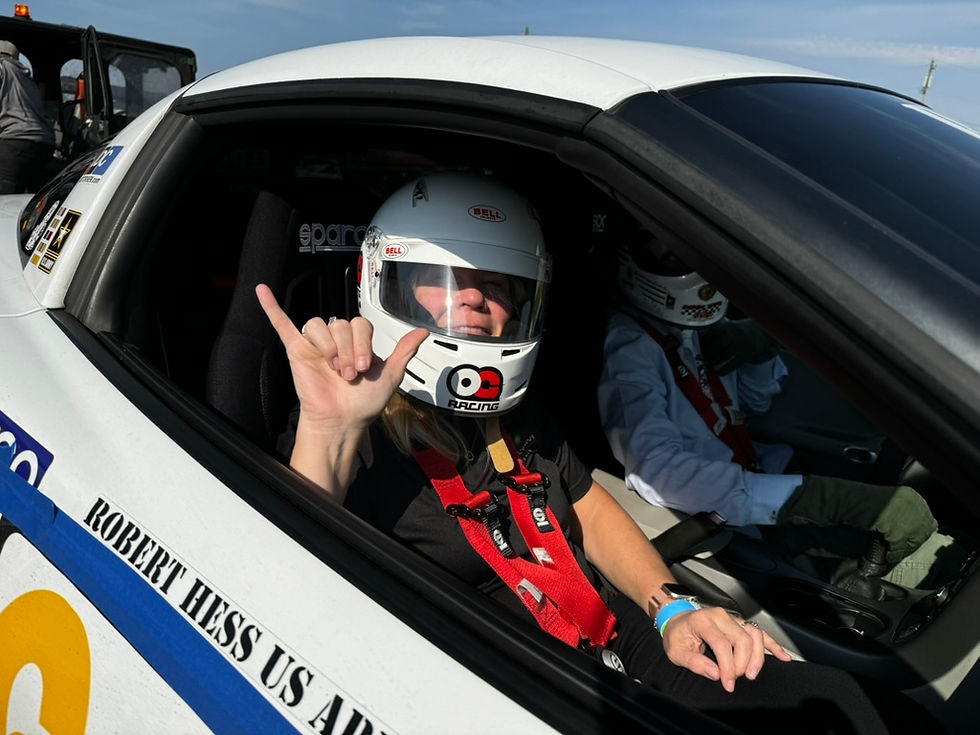
Safety gear is non-negotiable. At a minimum, you need:
A certified helmet (Snell or FIA approved)
Fire-resistant gloves and suit (depending on track requirements)
Proper racing shoes or closed-toe shoes with good grip
Some tracks require additional gear, such as neck supports or roll cages. Investing in quality safety equipment protects you and boosts confidence behind the wheel.
Prepare Mentally and Physically for the Experience
Track driving demands focus and stamina. Mentally, prepare to stay alert for extended periods and react quickly to changing conditions. Physically, the G-forces and heat inside the car can be taxing.
To get ready:
Get a good night’s sleep before the event
Stay hydrated and eat balanced meals
Stretch or do light exercise to loosen muscles
Practice breathing techniques to manage stress
Mental preparation also means setting realistic goals. Your first day is about learning, not winning. Accept that mistakes happen and use them as lessons.
Use a Pre-Event Checklist
A checklist ensures you don’t overlook important details before hitting the track. Include items such as:
Vehicle inspection (tires, brakes, fluids)
Safety gear packed and in good condition
Registration and paperwork completed
Fuel tank filled
Tools and spare parts available
Having a checklist reduces last-minute stress and lets you focus on driving once you arrive.
Manage Nerves and Expectations
Feeling nervous is normal. The key is to channel that energy positively. Techniques to manage nerves include:
Visualizing smooth laps and successful maneuvers
Taking deep, steady breaths before each session
Starting with slower laps to build confidence
Reminding yourself that everyone was a beginner once
Keep expectations reasonable. Progress comes with practice. Celebrate small improvements like better braking points or smoother cornering.
Learn the Track Layout and Features
Familiarity with the track layout gives you a huge advantage. Study maps and onboard videos to understand:
Corner types and recommended lines
Braking zones and acceleration points
Pit lane location and entry/exit rules
Areas prone to accidents or tricky conditions
If possible, walk parts of the track or drive a slow reconnaissance lap. Knowing what to expect helps you anticipate and react safely.
Connect with Experienced Drivers for Advice
Veteran drivers are a valuable resource. They can offer tips on technique, car setup, and track nuances. Join local car clubs, online forums, or attend track days where you can meet experienced racers.
Ask questions like:
How to approach specific corners
What gear ratios work best
How to handle traffic on track
Recommended safety practices
Learning from others’ experiences accelerates your growth and builds a supportive community.
Budget for Costs Associated with the Event
Track days can be expensive. Beyond entry fees, consider costs for:
Fuel consumption (track driving uses more fuel)
Tire wear and replacement
Maintenance and repairs
Safety gear purchases
Possible coaching or instruction sessions
Plan your budget to avoid surprises. Some tracks offer package deals or discounts for repeat visits, which can help manage expenses.
Practice Basic Driving Techniques
Before pushing your limits, master fundamental skills such as:
Smooth braking and throttle control
Proper steering input and hand positioning
Understanding weight transfer during cornering
Maintaining consistent racing lines
You can practice these on empty roads, autocross events, or simulators. Solid basics create a foundation for faster, safer laps.
Emphasize Safety and Responsible Driving
Safety must always come first. Drive within your limits and respect other drivers on track. Avoid aggressive moves or risky overtakes. If you feel overwhelmed, slow down or take a break.
Remember that racetrack driving is a privilege, not a right. Responsible behavior keeps the sport enjoyable for everyone and reduces the chance of accidents.